By late 2025, data center vacancies have hit record lows while rental rates soar. As the grid struggles to keep up, the AI boom faces its most significant physical barrier yet.
With the introduction of secure Chat APIs in late 2025 and autonomous agents, Microsoft moves beyond simple chatbots to reshape corporate workflows. We analyze the implications for privacy and productivity.
In a massive shift for the AI industry, OpenAI secures $38 billion in compute from Amazon Web Services, signaling a new era of multi-cloud strategy and intensified infrastructure competition.
In a move redefining the AI chip war, Nvidia licenses Groq's low-latency technology and hires CEO Jonathan Ross, cementing its grip on the inference market.
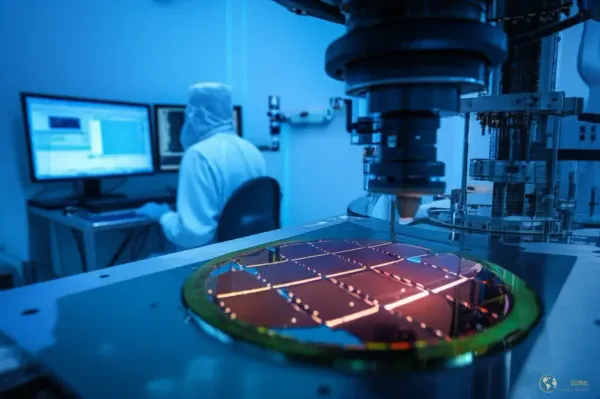
Researchers have developed a deep-learning system capable of distinguishing between natural wear and malicious tampering in microchips, marking a pivotal shift in hardware security.
Alibaba has officially launched its Quark AI Glasses series, marking a strategic pivot into consumer hardware powered by its Qwen large language model to compete in the growing smart eyewear market.
With the release of Gemini 2.5 Flash and Flash-Lite, Google aggressively targets the low-latency market, promising faster agentic workflows and reduced costs for developers.
The AI giant moves to absorb the leadership and technology of one of its most promising challengers, reshaping the competitive landscape for inference chips.
Following reports of critical vulnerabilities by LayerX, OpenAI admits that securing AI browsers against indirect prompt injection is an ongoing arms race, raising concerns for user privacy and enterprise adoption.
The 2026 Consumer Electronics Show marks a pivotal shift as quantum technology moves beyond theoretical research into consumer apps and heavy industry solutions.


 IndiaNIC